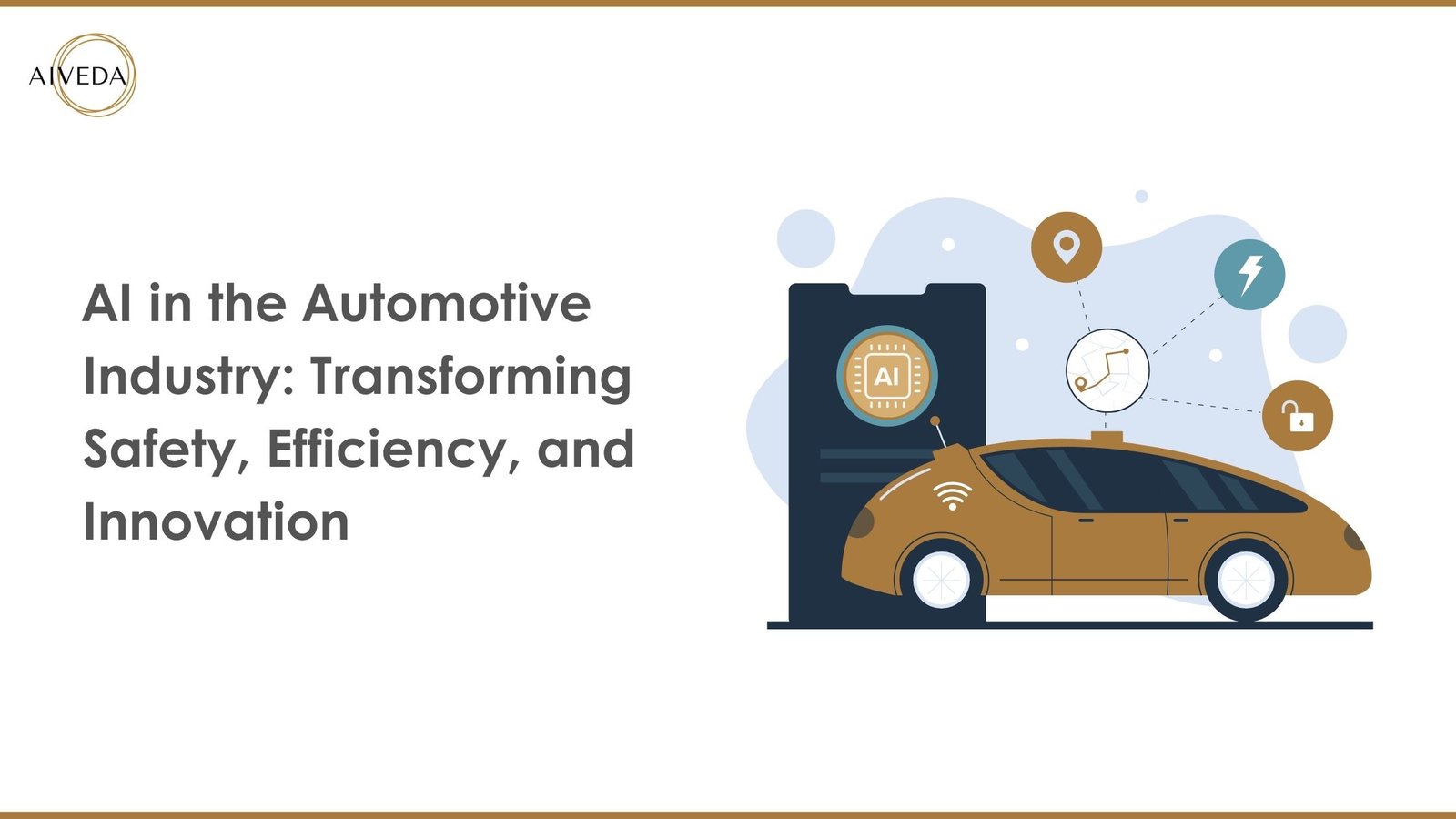
The automotive industry is undergoing a dramatic transformation driven by advancements in artificial intelligence (AI) Today AI is not only powering autonomous vehicles but also optimizing manufacturing processes and improving overall safety on the roads This technical blog explores how AI is integrated into the automotive sector through various applications from self driving technology to predictive maintenance and smart manufacturing We will discuss the benefits challenges and future trends that shape the automotive landscape
Autonomous Driving and AI
One of the most significant contributions of AI to the automotive industry is in the realm of autonomous driving Vehicles equipped with AI systems can interpret sensor data in real time and make decisions that mimic human driving behavior However the goal is not to replace human drivers entirely but to enhance safety and efficiency on the roads
- Sensor Fusion: Modern vehicles use cameras radar and lidar sensors to collect data about their surroundings AI algorithms process this information to identify obstacles lane markings and traffic signs This process is known as sensor fusion and is essential for safe autonomous operation
- Real-Time Decision Making: AI systems must make split second decisions to navigate complex driving scenarios The algorithms continuously analyze the environment to determine the safest route adjust speeds and execute maneuvers with precision
- Machine Learning: Self driving cars improve over time as the AI system learns from millions of miles of driving data This machine learning approach helps refine decision models and enhance overall performance in diverse road conditions
Autonomous driving has the potential to reduce accidents caused by human error improve traffic flow and decrease fuel consumption making our roads safer and more efficient
Predictive Maintenance and AI
Maintenance of vehicles is another area where AI is making a significant impact By using AI for predictive maintenance automotive companies can reduce downtime and extend the lifespan of vehicles Predictive maintenance uses historical data and real time sensor information to forecast potential failures before they occur
- Data Collection: Sensors installed in vehicles continuously collect data on engine performance tire pressure and other critical parameters This data is transmitted to cloud platforms for analysis
- Fault Detection: AI algorithms analyze the sensor data to detect anomalies that indicate potential failures The system can alert the driver or maintenance team well before a critical breakdown happens
- Cost Savings: By addressing issues proactively vehicles require less frequent repairs and incur lower maintenance costs This not only improves efficiency but also enhances customer satisfaction
Predictive maintenance is vital for fleet management companies where minimizing downtime translates to significant cost savings and improved service reliability
Smart Manufacturing in Automotive
AI is also transforming the manufacturing processes within the automotive industry Smart manufacturing uses AI to optimize production lines reduce waste and improve quality control throughout the manufacturing process
- Process Optimization: AI systems monitor production lines in real time and adjust parameters to maintain optimal performance This leads to higher efficiency and consistent quality across products
- Quality Control: Using computer vision AI systems can inspect vehicles on the assembly line detecting defects that may not be visible to the human eye This automated inspection ensures that only vehicles that meet strict quality standards reach the market
- Supply Chain Management: AI helps manage supply chain complexities by predicting demand and optimizing inventory levels This reduces production delays and ensures that manufacturing processes run smoothly
The integration of AI into automotive manufacturing not only reduces production costs but also speeds up the process allowing companies to bring innovative models to market more quickly
Enhancing In-Car Experience with AI
Beyond manufacturing and maintenance AI is revolutionizing the in-car experience Modern vehicles are increasingly equipped with AI-powered infotainment systems and virtual assistants that enhance the driving experience
- Voice Assistants: AI-based voice assistants allow drivers to control various vehicle functions such as navigation climate control and media playback without taking their hands off the wheel This improves safety and convenience
- Personalization: AI systems learn the preferences of drivers and passengers Over time the system can tailor music playlists route suggestions and interior settings to create a personalized driving experience
- Connectivity: AI enhances connectivity by integrating with smartphones and other devices This seamless integration allows drivers to access a wealth of information and services on the go
The enhanced in-car experience driven by AI not only improves comfort but also sets the stage for future innovations in connected and autonomous vehicles
AI and Safety: A New Era for Automotive
Safety remains a top priority in the automotive industry AI plays a critical role in enhancing vehicle safety by providing advanced driver assistance systems (ADAS) and improving overall road safety
- Driver Assistance Systems: AI-powered systems such as automatic braking adaptive cruise control and lane departure warnings help prevent accidents by alerting drivers to potential hazards
- Collision Avoidance: By processing data from multiple sensors vehicles can predict potential collisions and take preventive measures such as slowing down or steering away from obstacles
- Real-Time Monitoring: AI systems continuously monitor the driver’s behavior using cameras and other sensors to detect signs of drowsiness or distraction Ensuring that the driver remains alert is key to preventing accidents
Integrating AI into safety systems leads to vehicles that are not only more intelligent but also much safer on the road
Overcoming Challenges in AI Integration
Despite the numerous benefits AI brings to the automotive industry there are challenges that must be addressed for successful integration
- Data Quality: AI systems rely heavily on high quality data for accurate decision making Ensuring that sensor data is accurate and free from noise is critical
- Regulatory Compliance: The automotive industry is highly regulated Ensuring that AI systems meet safety standards and regulatory requirements is a significant challenge
- Ethical Considerations: The use of AI in decision making raises ethical questions particularly in scenarios involving autonomous driving Manufacturers and regulators must work together to address these concerns
- System Integration: Integrating AI solutions into existing automotive systems requires seamless collaboration between hardware and software teams This can be a complex and resource intensive process
Overcoming these challenges requires a combination of advanced technology rigorous testing and collaboration among industry stakeholders
The Future of AI in the Automotive Industry
The future of AI in the automotive industry looks promising as technological advancements continue to drive innovation The potential applications of AI are vast and extend beyond current capabilities
- Fully Autonomous Vehicles: As AI algorithms become more sophisticated we are likely to see the widespread adoption of fully autonomous vehicles which promise to revolutionize transportation
- Enhanced Personalization: Future vehicles will offer even more personalized experiences driven by AI that learns driver preferences and adapts accordingly
- Smart Infrastructure: AI will play a key role in connecting vehicles to smart infrastructure This includes real time traffic management and vehicle to vehicle communication systems that enhance safety and efficiency
- Sustainable Practices: AI can help reduce environmental impact by optimizing fuel consumption and enabling the efficient integration of electric vehicles into the transport ecosystem
Investing in AI technology today will shape the future of the automotive industry creating vehicles that are not only smarter but also safer and more efficient
Conclusion
AI is transforming the automotive industry from every angle. By driving advancements in autonomous driving, predictive maintenance, smart manufacturing, in-car experiences, and overall safety, AI is setting the stage for a new era in mobility The integration of AI in vehicles not only improves operational efficiency and reduces costs but also enhances the driving experience and promotes sustainability
For companies looking to stay competitive in this rapidly evolving market the challenge is not whether to adopt AI but how quickly and effectively they can integrate it into their operations Successful integration depends on addressing challenges such as data quality regulatory compliance and ethical considerations While these obstacles are significant they are not insurmountable With the right strategies and a commitment to innovation the benefits of AI in the automotive industry are immense
The road ahead is paved with opportunities for growth and innovation powered by AI As the automotive industry continues to evolve companies that embrace AI will be best positioned to lead the market and deliver next generation vehicles that are safer more efficient and highly personalized
Frequently Asked Questions (FAQs)
Q1: How is AI used in autonomous driving?
A: AI processes data from sensors such as cameras radar and lidar to identify obstacles lane markings and traffic signals enabling vehicles to make real time decisions for safe autonomous driving
Q2: What benefits does predictive maintenance offer in the automotive sector?
A: Predictive maintenance uses sensor data and machine learning to forecast equipment failures allowing for proactive repairs that reduce downtime and lower maintenance costs
Q3: How does AI improve in-car experiences?
A: AI enhances in-car experiences through personalized voice assistants adaptive infotainment systems and real time connectivity ensuring that the vehicle meets the unique needs of each driver
Q4: What are some challenges of integrating AI in vehicles?
A: Challenges include ensuring data quality regulatory compliance ethical considerations and the technical complexities of integrating AI with existing automotive systems
Q5: What does the future hold for AI in the automotive industry?
A: The future includes fully autonomous vehicles, smarter personalizations, connected smart infrastructure and sustainable practices that reduce environmental impact while enhancing overall efficiency
About the Author

Avinash Chander
Marketing Head at AIVeda, a master of impactful marketing strategies. Avinash's expertise in digital marketing and brand positioning ensures AIVeda's innovative AI solutions reach the right audience, driving engagement and business growth.